
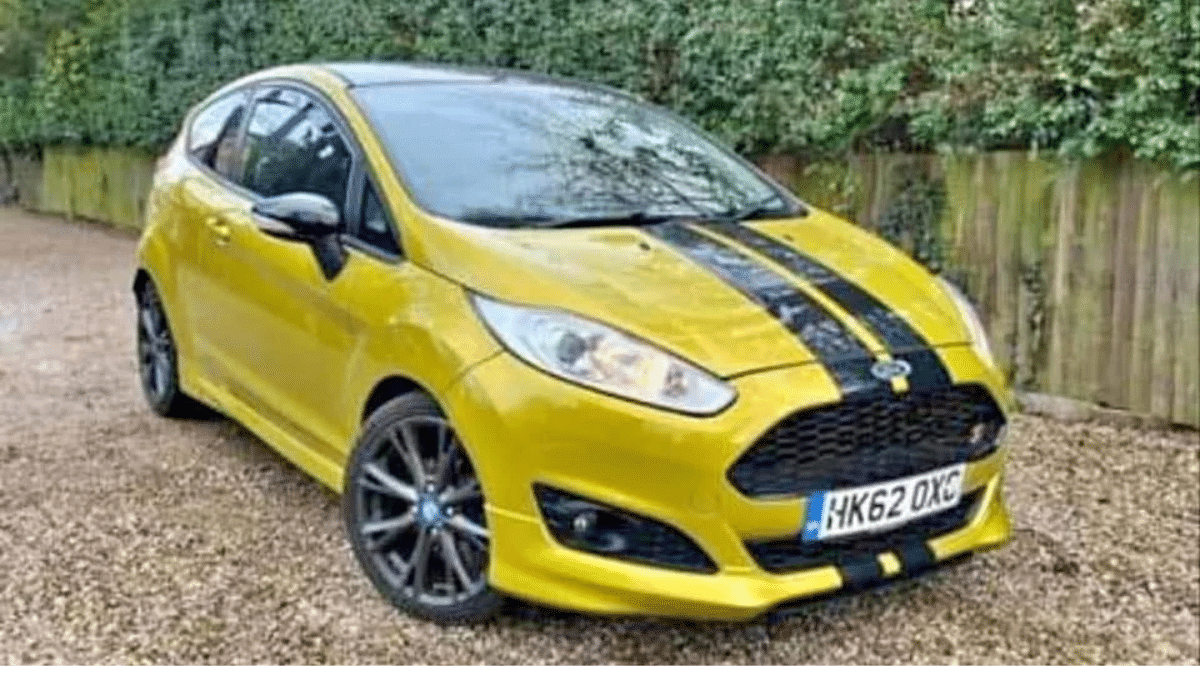
The Ford Fiesta ECOnetic remains one of the smartest used-market superminis for drivers demanding ultra-low running costs without sacrificing driver engagement. Combining slippery aerodynamics with an understressed turbodiesel, this green supermini proves high MPG doesn’t require a dull daily commute.
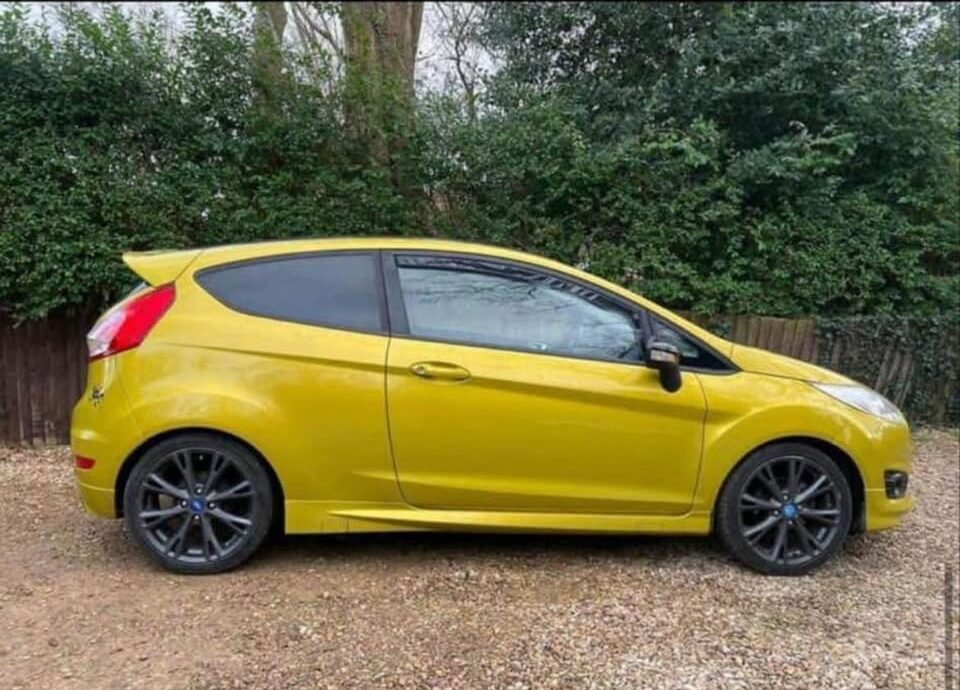
Ford Fiesta ECOnetic Key Technical Specifications
| Parameter / Feature | Factory Specification Data |
| Model | Ford Fiesta ECOnetic 1.6 TDCi |
| Powertrain | 1.6-litre Common Rail Turbodiesel |
| Power Output | 89 bhp @ 4,000 rpm |
| Peak Torque | 150 lb-ft (204 Nm) @ 1,750 rpm |
| Transmission | 5-Speed Manual (Revised Final Drive) |
| Combined Fuel Economy | 76.3 MPG |
| Tailpipe CO2 Emissions | 98 g/km (Band A Road Tax) |
| Acceleration (0–62 mph) | 12.3 Seconds |
| Top Speed | 111 mph |
| Insurance Group | Group 4 |
Ford Fiesta ECOnetic
Ford Fiesta ECOnetic Exterior Styling, Aerodynamics & Cabin Space
Evaluating lightweight commuters over two decades taught me that aerodynamic drag matters just as much as motor size, and examining the Ford Fiesta ECOnetic proves how subtly Dearborn blended aero-cheating hardware into the mainstream supermini range.
Glancing across forecourt rows alongside regular Fiestas, the chassis keeps that familiar neat styling and sharp, crisp lines, yet an eagle eye notices the body drops 10mm lower to hug the tarmac—matching the aggressive drop of the warm Zetec S model, except here the entire drop aims at maximizing low-drag efficiency over racetrack stance.
Underneath, technicians installed an airflow shroud surrounding the engine block, slotted rear wind deflectors by the trailing edges to smooth out the turbulent flow of air, and wrapped each corner in low-drag tyres consisting of purpose-built low rolling resistance items that drastically lower rolling drag to protect baseline fuel economy across the entire ECOnetic model.
Stepping inside, the familiar driver-centric ergonomics welcome you with supportive, comfortable seats, generous forward space, and a thoughtfully detailed dash that mirrors standard showroom variants.
Taller adult rear seat passengers will immediately notice that cabin legroom remains slightly pinched, yet the overall layout preserves everyday functionality while giving the driver an intuitive, green-minded gear shift indicator calibrated to signal the exact optimum time to change gear for absolute efficiency.
Swapping back to inspect the rear cargo boot, you quickly discover Ford omitted the traditional spare wheel to shed dead excess weight and eliminate another persistent enemy of efficiency, keeping cargo dimensions clean and usable without compromising the mission of this focused green runabout.
Ford Fiesta ECOnetic Engine & Transmission Dynamics
Under the steel bonnet sits an understressed 1.6-litre turbodiesel calibration engineered for sustained endurance rather than chasing the peak numbers of Dearborn’s familiar 109bhp unit.
Instead, this bespoke common rail turbodiesel focuses on delivering a relaxed 89bhp output backed by a stout 150lb.ft of torque, giving the lightweight hatch ample low-end muscle without feeling overtaxed.
While flat-out bench testing confirms it won’t break records—completing the benchmark 0-62mph run in 12.3 seconds toward a modest top speed 111mph—real-world acceleration delivers an effortless stride that easily matches surging commuter traffic without requiring frantic downshifts whenever entering a steep incline on the motorway.
Slot the transmission into the tall top ratio of its crisp five-speed manual gearbox and the Fiesta ECOnetic settles into a tranquil rhythm free of mechanical drone or vibration.
Working your way through the intermediate gears, the refined engine willingly spins all the way to its red line without harshness or mechanical coarseness, retaining that tactile, positive engagement long celebrated across traditional Ford gear shifts.
That tall final drive ratio strategically suppresses cruising engine revs, giving this frugal ECOnetic model a poised, long-legged personality that separates it from noisier entry-level Ford models.
Ford Fiesta ECOnetic Ride, Handling & Road Manners
Most ultra-frugal eco-specials penalize the driver with wooden suspension tuning and numb inputs, yet throwing this chassis through undulating country bends reminds you why it remains the absolute best driving supermini available.
Lowering the calibrated suspension setup by 10mm actually endows the hatch with a remarkably planted footprint, feeling significantly more poised and sure-footed through sweeping corners than softer base model Fiestas.
That elevated cornering control means you rarely have to brake hard, allowing you to carry smooth velocity, brake less, and continuously conserve valuable fuel in a package that proves a frugal fuel miser supermini can deliver genuine driver engagement every single drive.
Threading through congested side streets or swapping lanes at high speeds along the open motorway, the light electric assistance dialed into the steering retains authentic road texture without dulling front-axle feedback.
The chassis exhibits delicious, twinkle-toed handling that flows over mid-corner undulations, pairing firm road composure with genuine everyday comfort and acoustic refinement.
It is a cohesive, mature supermini package whose ride manners easily emulate the premium composure expected from a car positioned one or two complete classes above its modest footprint.
Ford Fiesta ECOnetic Equipment, Economy & Value for Money
Achieving an eye-watering 76.3mpg combined economy and a tax-exempt 98g/km carbon dioxide emissions rating demanded dedicated engineering alterations behind the scenes.
Dearborn flashed an eco-tailored, reprogrammed ECU, integrated an altered final drive ratio, slipped on specialized low rolling resistance tyres, and bolted down subtle exterior aerodynamic aids.
Keeping showroom pricing palatable compared to the punchier 1.6 TDCi Zetec model meant omitting factory air conditioning as standard, while dressing the hubs in cost-conscious steel wheels clad in basic plastic trims rather than premium alloy wheels, though choosing the versatile five-door model over the standard three-door shell demands just a modest £300 premium.
Out on real-world test routes, those cosmetic compromises fade into insignificance when you realize the hatch easily achieves beyond 750 miles between visits to the fuel pump.
Even after racking up over 400 miles of driving in mixed weather, the digital fuel gauge barely registered a drop, turning routine fuel fills into rare occurrences.
Combined with rock-bottom Group 4 insurance brackets, the complete Fiesta ECOnetic easily undercuts pricier rivals over long ownership cycles, turning this frugal Zetec alternative into an exceptional long-term proposition that continues to hold its residual value remarkably well.
Overall: Final Verdict on the Ford Fiesta ECOnetic
Having tested countless compact runners, our enduring fondness for the core Ford Fiesta always traced back to its sharp, natty looks, dependable long-distance comfort, and that lively, class-defining way it drives.
By infusing this iteration with class-leading diesel economy and ultra-low tailpipe emissions, Ford created a compelling eco-commuter that retains every ounce of the driver-focused personality we admire in the baseline Fiesta.
While slightly cheaper alternatives from budget-oriented rivals like SEAT and Skoda aggressively contest the market on list price, neither platform delivers the same grin-inducing road manners when the tarmac turns twisty.
That balanced mechanical character makes this particular Fiesta ECOnetic thoroughly deserving of a near five-star rating, standing out as the definitive daily companion for mileage-conscious drivers who refuse to sacrifice driving enjoyment.
For additional comparisons, you can review our companion test of the 2012 Ford Fiesta Review or consult the official vehicle history records on Wikipedia’s Ford Fiesta Archive.
Ford Fiesta ECOnetic Frequently Asked Questions (FAQ)
Does the Ford Fiesta ECOnetic qualify for free road tax?
Yes. With certified tailpipe carbon output of 98g/km, it falls into UK Band A road tax, making annual road vehicle excise duty completely free (£0).
How many miles per tank can you expect from the Ford Fiesta ECOnetic?
Thanks to its 76.3 MPG combined cycle rating and 40-litre fuel cell, careful motorway cruising yields over 700 to 750 miles on a single fill.
Is the Ford Fiesta ECOnetic reliable for high-mileage commuting?
The understressed 89bhp common-rail 1.6 TDCi engine is known for mechanical resilience, avoiding the heat strain associated with higher-output diesel variants.
1 thought on “Ford Fiesta ECOnetic Review: 7 Best Secrets & Buying Guide (2026)”