
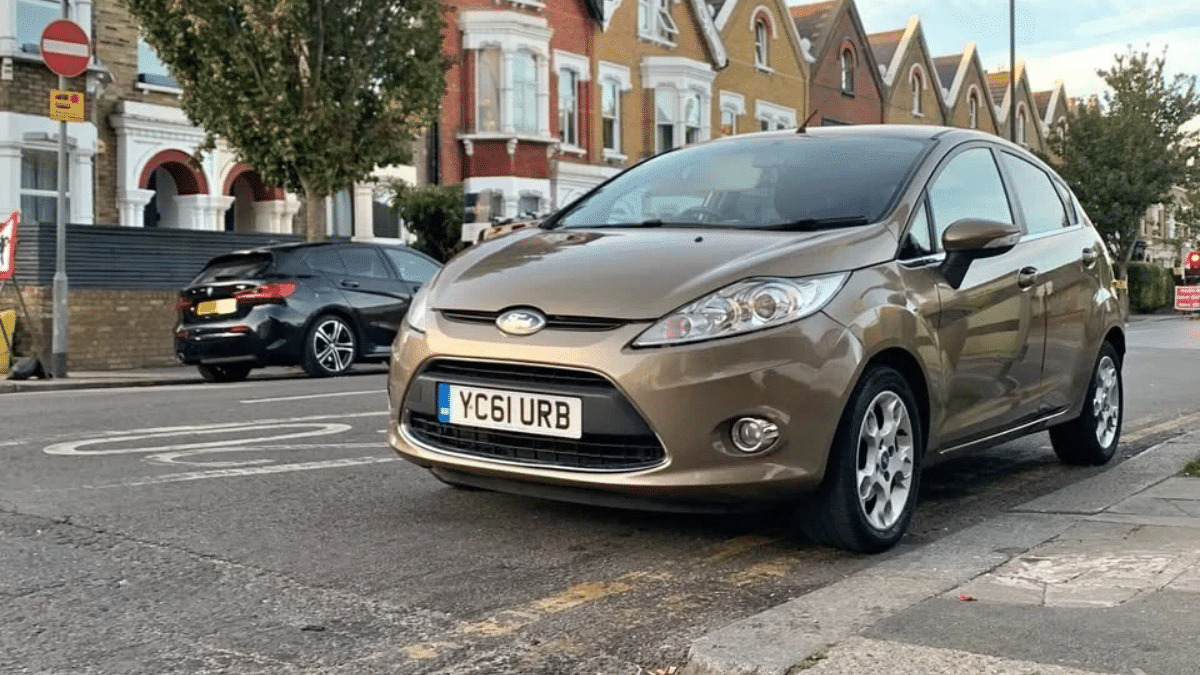
The 2012 Ford Fiesta continues to stand out as a class benchmark for drivers seeking exceptional fuel efficiency, nimble road manners, and accessible daily technology. Cleaner powertrains, refined styling, and smart multimedia options make this generation of the 2012 Ford Fiesta even more appealing today than it was when it first rolled off factory floors.
2012 Ford Fiesta Overall Rating: ★★★★☆ (4.5/5)
Squint and you still won’t notice dramatic differences at first glance, as the mid-cycle updates to Ford’s best-selling supermini are subtle and calculated.
Most significant is the revised 1.6-litre TDCi ECOnetic turbo-diesel engine, which arrives noticeably cleaner and more frugal than its predecessor. Furthermore, Ford made this frugal unit widely accessible on mainstream Zetec and Titanium models as well as the basic Edge version of the 2012 Ford Fiesta.
2012 Ford Fiesta Key Technical Specifications
| Specification Metric | Factory Data & Figures |
| Model | 2012 Ford Fiesta |
| Base Price (Tested) | £14,445 (ECOnetic Zetec) |
| Engine Configuration | 1.6-litre Four-Cylinder Turbodiesel |
| Transmission | 5-Speed Manual (Front-Wheel Drive) |
| Body Style | 3-Door & 5-Door Hatchback |
| Segment Rivals | Vauxhall Corsa, Renault Clio, Volkswagen Polo |
| CO2 Emissions | 95g/km |
| Combined Economy | 78.5 MPG |
| Top Speed | 111 mph |
| 0–62 mph Time | 12.9 Seconds |
| Power & Torque | 94 bhp / 146 lb-ft |
2012 Ford Fiesta Exterior Styling, Paint Finishes & Cabin Build Quality
Walking up to inspect the silhouette from the outside, my immediate takeaway after a decade of evaluating compact platforms is that the 2012 Ford Fiesta holds onto its sharp aesthetic charm, cementing its reputation as a genuinely handsome little car that dodges the dated awkwardness plaguing many of its period rivals.
Rather than tearing up a winning formula, Dearborn kept the sheet metal familiar while introducing curated colour schemes directly to the options list, catching buyer attention with the punchy, vivid flair of Mars Red alongside an unexpectedly chic Fashionista shade that carries a unique, lucid brown colour beneath changing ambient light.
Slipping Inside, that same attention to functional execution continues across a cabin layout that feels distinctly well built and reassuringly anchored by sturdy, good quality switchgear built to endure high-mileage commuting.
Ford clearly recognized that small-hatch drivers wanted accessible multimedia convenience without having to stretch into premium-badge price brackets. Consequently, they rolled out an eye-catching, flash new stereo across the showroom range equipped with crisp DAB radio reception, seamless Bluetooth phone connectivity, and assorted digital trinkets that turn everyday urban gridlock into a surprisingly hospitable drive.
2012 Ford Fiesta Driving Dynamics, Chassis Handling & Engine Options
Having spent countless weekends wringing out warm hatches across undulating B-roads, sliding into this chassis immediately reminds you why the market celebrated the supermini as arguably the best handling car in its class.
The baseline calibration pairs crisp communicative steering with a brilliantly sorted chassis, ensuring that whether you are threading through tight urban roundabouts or carving down a damp country lane, the feedback remains remarkably safe, composed, comfortable, and utterly predictable.
If daily fuel economy stands as your primary mission, opting for the ultra-frugal ECOnetic trim makes practical sense; while it may not be the most fiercely potent runner on paper, keeping its mass rolling lets you build up useful momentum so the hatchback can happily tool along at a reasonable lick.
However, if your appetite leans toward a much punchier throttle response, hunting down the rare Metal special edition completely transforms the attitude behind the wheel.
Swapping out the sensible commuter gait for an eager, naturally aspirated 132bhp 1.6-litre Duratec lump, this bespoke trim gives you a tangible performance jump over the more familiar 118bhp Zetec S, injecting extra mechanical muscle right through the midrange without upsetting Fiesta’s dynamics.
That added bite lets you aggressively exploit every apex, turning an otherwise sensible runabout into a genuine, grin-inducing hoot to drive every single time you push the front axle into a committed drive.
2012 Ford Fiesta Trim Levels, Pricing Strategy & Real-World Value
Working through showroom price sheets across this generation reveals a clever shift in product packaging, specifically tailored for buyers wanting frugality without stripping back on creature comforts.
Previously, securing an ultra-efficient engine meant settling for the bare-bones basic Edge, but broadening availability across mid-tier Zetec and flagship Titanium models changed the game entirely; you can finally pilot a genuinely economical car equipped with the green-minded ECOnetic engine without sacrificing high-spec luxuries.
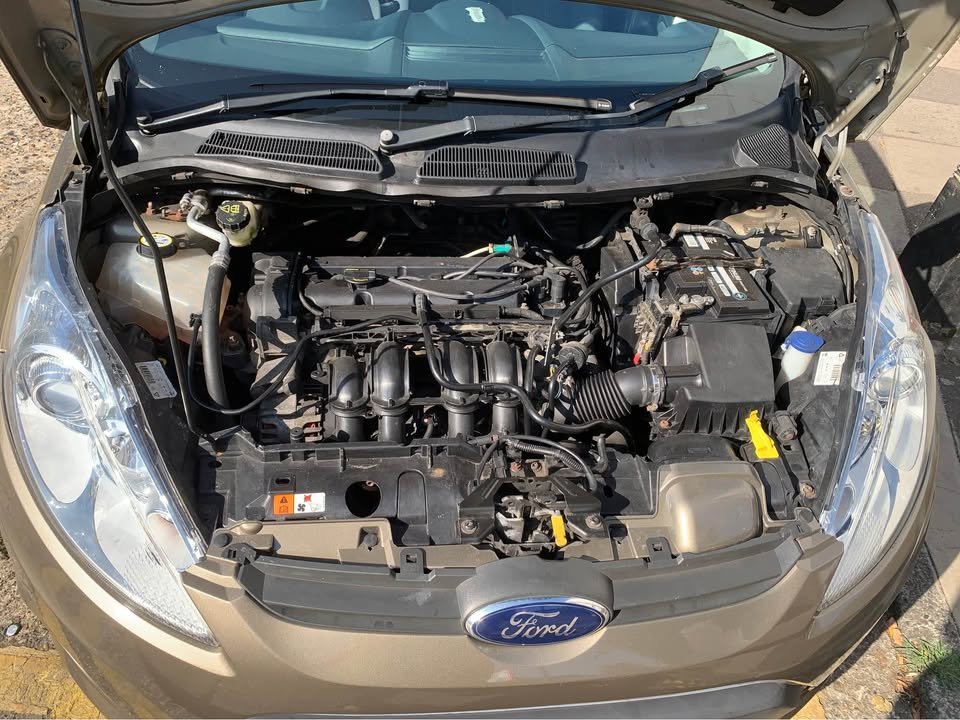
If squeezing every drop of fuel on a tight budget is your priority, the cheapest ECOnetic version rolls off the line starting at £13,895, proving you don’t have to tolerate a barren interior to achieve stellar running costs.
At the polar opposite end of the showroom hierarchy sits the bare-knuckle 1.25 Studio, anchoring the line-up with a rock-bottom entry ticket of £9,495 to capture first-time drivers and sensible urban commuters.
While hunting down rival bargains on used forecourts certainly reveals a flood of cheaper alternatives among competing superminis, opting for those strictly affordable superminis usually means tolerating sluggish chassis setups and drab cabins that make daily seat time decidedly less engaging.
Balancing that equation across various trim models highlights why this plucky car continues to punch above its weight, delivering a sorted platform that makes even the most entry-level runabout feel substantially more rewarding than the numbers on the invoice suggest.
2012 Ford Fiesta Low-Carbon Emissions, Road Tax Benefits & Running Costs
Tracking green powertrain benchmarks over the decades reveals just how aggressively Ford leaned into low-carbon engineering with the refreshed Fiesta, delivering a supermini that lands noticeably cleaner than before.
At the center of that strategy, the updated ECOnetic variant now officially emits an impressive 95g/km of tailpipe carbon compared to the 98g/km posted by the outgoing model.
While that incremental drop won’t immediately save money in day-to-day running costs—largely because the platform was already exempt from annual road tax and qualified as fully congestion charge-free—it demonstrates a savvy manufacturer staying firmly ahead of the curve before the Government inevitably shifts the official emissions goalposts once again.
Naturally, buyers eyeing showroom price sheets will notice you have to pay more upfront when stepping into dedicated ECOnetic models, but the engineering roadmap behind the badge highlights Dearborn’s broader green ambition across its fleet.
Rather than resting on a single frugal model, engineers confirmed plans to push eco-performance further by preparing a future 87g/km version of the hatch alongside a remarkably slippery 89g/km Focus.
That relentless clampdown on fleetwide emissions proves that real-world sustainability doesn’t require waiting for expensive electrification, cementing this generation’s status as a masterclass in clean, accessible engineering.
Final Verdict: Is the 2012 Ford Fiesta Still a Segment Benchmark?
Evaluating the supermini sector from an enthusiast’s lens reveals why the Ford Fiesta consistently established itself as one of the most undeniably desirable cars within a fiercely contested segment.
While rival badges routinely traded driver involvement for numb commuter appliances, Ford understood that genuine curb appeal hinges on cohesive execution; the vehicle’s sharp kinetic looks paired effortlessly with clever interior packaging, ensuring everyday practicality never compromised its striking visual presence. That dual-threat balance kept the nameplate perched comfortably at the sharp end of the small hatchback market, proving that compact dimensions could still deliver authentic showroom magnetism.
Beneath the sculpted sheet metal, the platform’s enduring trump card has always been its sublime mechanical dynamics, giving the chassis a lithe, responsive character that rival hatchback alternatives simply failed to replicate.
Even when subjected to tightening environmental regulations, Dearborn managed to engineer clean, low-carbon efficiency into the lineup without choking the playful steering feedback or neutralizing the energetic agility that defined these lightweight cars.
By systematically squeezing down tailpipe emissions while safeguarding pure driver engagement, the package firmly reminded everyone that everyday frugality and authentic behind-the-wheel excitement can coexist brilliantly in the 2012 Ford Fiesta.
2012 Ford Fiesta Frequently Asked Questions (FAQ)
Is the 2012 Ford Fiesta expensive to tax and insure?
The ECOnetic variant produces 95g/km of CO2, qualifying it for zero annual road tax and low insurance groups, making it exceptionally affordable to run.
Which engine offers the best balance of power and economy?
While the 1.6 TDCi ECOnetic delivers maximum efficiency (78.5 MPG), the naturally aspirated 132bhp 1.6 Duratec in the Metal edition provides the best enthusiast performance.
1 thought on “2012 Ford Fiesta Review: The Best Complete Buyer Guide (2026)”