
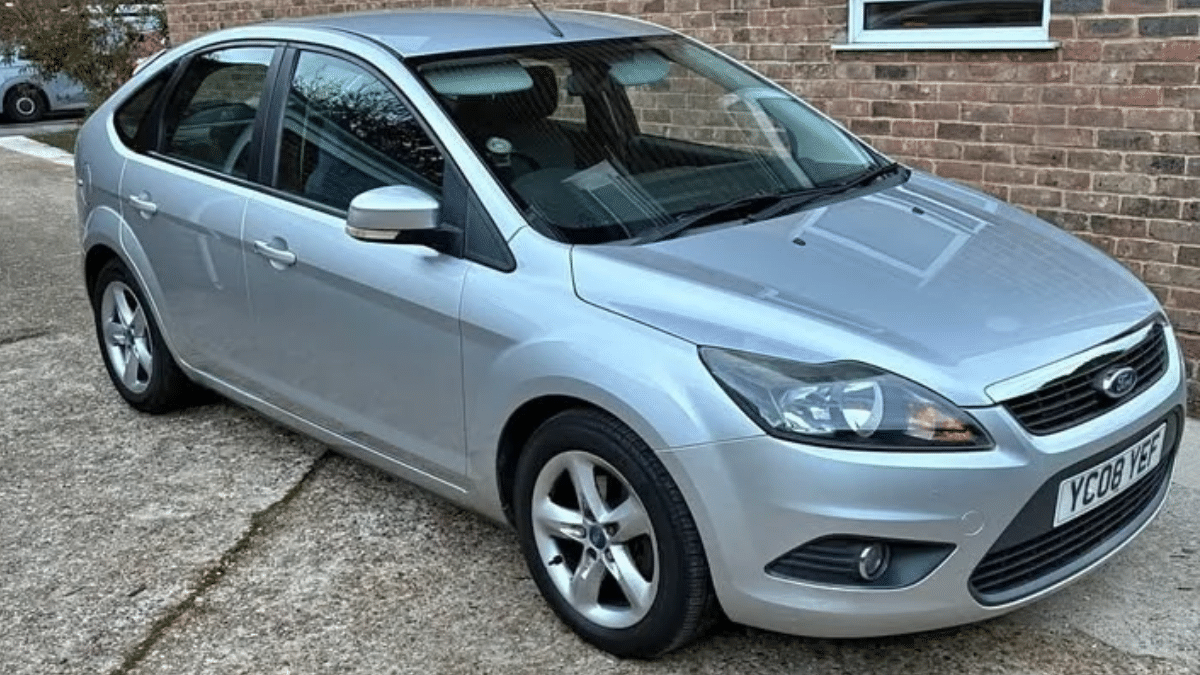
The ford focus st represents one of the most celebrated bloodlines in modern hot hatchback history. While modern performance cars increasingly rely on complex hybrid assists and dual-clutch automatics, older generations of the ford focus st deliver raw, tactile mechanical involvement that drivers still crave today.
From the warbling five-cylinder engine note of the Mk2 generation to the sharp, razor-focused four-cylinder EcoBoost chassis of the Mk3, these performance icons offer incredible value on the used market.
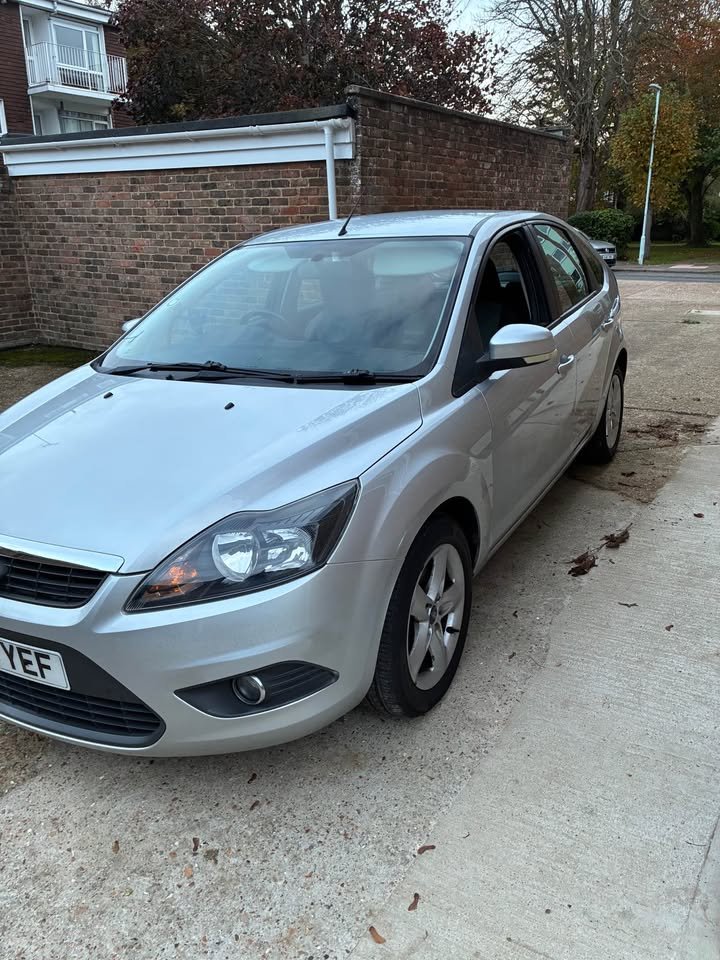
The Evolution of the Ford Focus ST: Mk2 vs Mk3
Enthusiasts shopping for a pre-owned ford focus st invariably face a classic dilemma: do you choose the charismatic five-cylinder Mk2 or the technologically sharper, more efficient Mk3?
The Mk2 generation (2005–2010) used a Volvo-derived 2.5-litre inline-five turbocharged engine. It provided a distinctive, deep acoustic rumble paired with a relaxed, muscular torque curve.
In contrast, the third-generation car transitioned to a bespoke 2.0-litre turbocharged EcoBoost four-cylinder engine. This redesign brought stiffer torsional rigidity, lower curb weight over the nose, and a sharper front-end turn-in that transformed everyday handling on winding B-roads.
Before buying any used performance vehicle, inspect the official documentation and emissions band on the GOV.UK Vehicle Tax and Status Register.
The 2008 Ford Focus ST: Five Cylinders of Character
The facelifted 2008 ford focus st (often referred to as the Mk2.5) introduced Ford’s aggressive “Kinetic Design” language. It brought restyled swept-back headlights, a trapezoidal lower front grille, and an updated center console interior that dramatically improved perceived cabin quality.
Under the bonnet of the ford focus st 2008, the 2.5-litre Duratec turbo produced 225 PS (222 bhp) and 320 Nm of torque. Power was routed through a robust six-speed M66 manual gearbox.
Acceleration from 0-62 mph took 6.8 seconds, pulling cleanly toward a maximum top speed of 150 mph. Because peak torque arrived at just 1,600 rpm, the car delivered effortless mid-range overtaking power without requiring constant downshifts.
However, real-world fuel economy hovered around 22–26 mpg, making it thirsty in comparison to later generations.
The 2012 Ford Focus ST: Global EcoBoost Evolution
When the Mk3 launched, the ford focus st 2012 represented a complete clean-sheet design engineered under Ford’s “One Ford” global initiative.
Out went the charismatic five-cylinder, replaced by an advanced all-aluminum 2.0-litre EcoBoost turbocharged direct-injection inline-four. Output jumped to 250 PS (247 bhp) and 340 Nm of torque (with 360 Nm available during transient overboost).
The sprint from 0-62 mph dropped to 6.5 seconds.
To make the car nimble without the heavy weight of an electronic differential, Ford introduced enhanced Torque Vectoring Control alongside a variable-ratio electric power-steering rack (EPAS). While this setup created noticeable torque steer under aggressive second-gear acceleration on wet tarmac, it rewarded skilled drivers with an alert, agile front axle that darted into apexes with zero hesitation.
Alt Text: Cockpit interior of a ford focus st showing Recaro sport seats and manual gear shifter
The 2015 Ford Focus ST: Facelifted Maturity and Diesel Addition
Ford updated the Mk3 platform with the mid-cycle 2015 ford focus st refresh. Addressing driver feedback regarding the early Mk3’s twitchy behavior, chassis engineers retuned the suspension with all-new front springs, stiffer suspension bushings, and bespoke anti-roll bars.
The electronic stability control and torque-steer compensation software were overhauled, providing a more settled, progressive drive when pushing hard over uneven surfaces.
Inside, the ford focus st 2015 received an ergonomic overhaul. Ford removed the confusing cluster of small dashboard buttons in favor of an intuitive 8-inch color touchscreen powered by the SYNC infotainment system.
Crucially, 2015 also marked the debut of the Focus ST TDCi diesel variant. Utilizing a 2.0-litre Duratorq diesel developing 185 PS and 400 Nm of torque, it allowed high-mileage commuters to enjoy genuine hot hatch dynamics alongside 60+ mpg fuel economy.
Performance Specifications Comparison (Mk2 vs Mk3)
The table below contrasts the mechanical metrics across these distinct eras of the ford focus st:
| Specification | 2008 Focus ST (Mk2 Facelift) | 2012 Focus ST (Mk3 Pre-Facelift) | 2015 Focus ST (Mk3 Facelift) |
|---|---|---|---|
| Engine Configuration | 2.5L 5-Cylinder Turbo (HYDA) | 2.0L 4-Cylinder Turbo EcoBoost | 2.0L 4-Cylinder Turbo EcoBoost |
| Power Output | 225 PS (222 bhp) @ 6,000 rpm | 250 PS (247 bhp) @ 5,500 rpm | 250 PS (247 bhp) @ 5,500 rpm |
| Peak Torque | 320 Nm @ 1,600–4,000 rpm | 340 Nm (360 Nm overboost) | 360 Nm (with transient overboost) |
| 0–62 mph Time | 6.8 seconds | 6.5 seconds | 6.5 seconds |
| Top Speed | 150 mph | 154 mph | 154 mph |
| Combined MPG | 30.1 mpg (NEDC) | 39.2 mpg (NEDC) | 41.5 mpg (NEDC) |
| Transmission | 6-speed manual (M66) | 6-speed manual (MMT6) | 6-speed manual (MMT6) |
Known Reliability Hotspots and Pre-Purchase Inspection Checklist
When inspecting older generations of the ford focus st, watch for common age-related failure points:
Mk2 Vulnerabilities (2008 Era):
- Oil Filter Housing / Diaphragm: The integrated PCV oil filter housing membrane can split, causing a high-pitched whistling noise at idle and oil consumption.
- Cylinder Liner Cracking: On modified 2.5-litre engines, the thin cylinder liner walls between cylinders can crack under excessive boost pressure. Look for coolant loss or misfires on cold starts.
- Alternator Failure: Denso alternators on the Mk2 run hot and often fail around 70,000–90,000 miles.
Mk3 Vulnerabilities (2012–2015 Era):
- Steering Rack Grinding: Early electric power steering racks can develop notchiness or failure warnings. Ensure the steering glides smoothly lock-to-lock.
- Rear Engine Mount Deflection: The factory lower rear motor mount allows excessive engine roll during hard shifts, causing a thumping sound against the firewall. Many owners replace this with uprated polyurethane bushes.
- Carbon Buildup on Intake Valves: Because the 2.0 EcoBoost is direct-injected, fuel never washes the back of the intake valves, necessitating walnut blasting cleaning on higher-mileage cars.
How to Verify Ownership, MOT, and History Records
Before putting down a deposit on a used ford focus st, audit the vehicle’s past MOT testing history on the official DVSA MOT Check Service.
Look closely at past MOT advisories for corroded rear suspension subframes, leaking shock absorbers, and worn anti-roll bar drop links.
You can also run the registration plate through our comprehensive Vehicle History & Registration Check Tool to ensure the car has no outstanding finance, has not been written off as an insurance category salvage, and displays genuine recorded mileage across every service interval.
A well-maintained ford focus st rewards its owner with class-leading agility, practical hatchback usability, and one of the finest performance driving experiences available on the used market today.
1 thought on “Ford Focus ST: 4 Legendary Generations and Buyer’s Guide”