
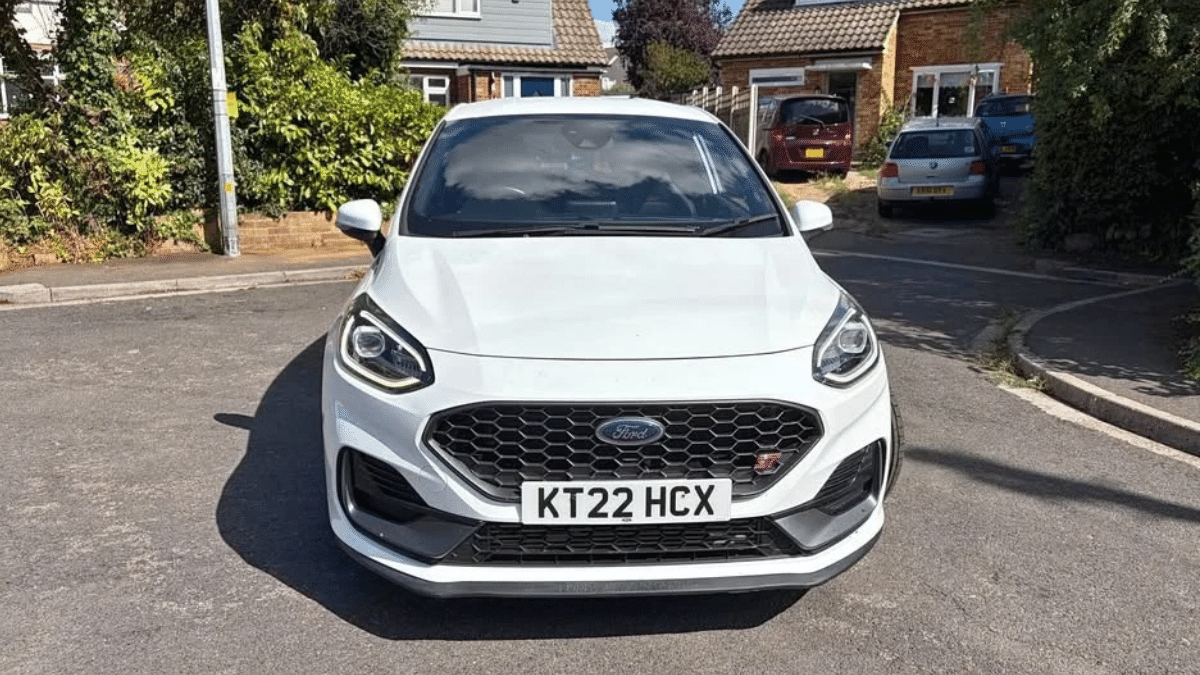
Ford has given the Fiesta a selection of minor updates, but is that enough to keep it at the top of the class?
2022 Ford Fiesta Active Vignale 1.0 EcoBoost mHEV 125
Spending years testing hatchbacks across British roads makes one thing instantly clear: the Ford Fiesta has long earned its status as a genuine legend within respected automotive circles. For decades, it dominated dealership showrooms and town centres as one of the UK’s most popular cars, sitting comfortably as the undisputed king of all it surveyed. However, recent industry headwinds and severe global supply shortages triggered noticeably dented sales, pushing the manufacturer to reassess how it defends its best-seller.
In response, Ford decided to revamp the car with a series of deliberate updates to keep it fresh against newer supermini competitors. Evaluating these updates from behind the wheel reveals that the exterior changes are admittedly minor, retaining the familiar silhouette rather than reinventing the wheel. The specific version I tested was the crossover-inspired, rugged-looking Active model, which seeks to appeal to private buyers wanting a bit of outdoor flair without paying crossover premiums.
On daily tarmac, this practical car never pretends to deliver track-focused performance, nor does it price itself out of reach as something unjustifiably expensive. Instead, the revised chassis setup maintains the direct front-end communication I have always rated on this platform, blending subtle aesthetic tweaks with everyday urban usability.
Test Car Specifications
Model: 2022 Ford Fiesta Active Vignale 1.0 EcoBoost mHEV 125
Price: £28,305 as tested
Engine: 1.0-liter three-cylinder turbocharged petrol mild-hybrid
Transmission: seven-speed automatic, front-wheel drive
Power: 125 hp
Torque: 170 Nm
Emissions: 127 g/km
Economy: 50.4 mpg
0-62 mph: 9.6 seconds
Top speed: 124 mph
Boot space: 311 liters
Styling
When you walk up to the updated supermini, the foundational Fiesta design remains instantly recognisable on British roads, avoiding any jarring departure from what has made the badge a household name. Ford has focused its visual refresh on key focal points up front, introducing a sculpted new grille crowned by a prominent floating Ford logo positioned directly in the centre, accompanied by reshaped new lights and a selection of fresh new colours to modernise the vehicle’s road presence.
Choosing this specific Active model changes the car’s personality compared to the standard hatchback variants. With its practical raised ride height and protective rugged body cladding around the arches and sills, it delivers a distinctly chunkier look designed to shrug off minor scrapes, urban speed bumps, and rougher rural lanes without feeling cumbersome.
For drivers who lean towards dynamic styling rather than outdoor readiness, the showroom lineup still offers the popular ST-Line models. Those alternatives swap out the crossover protective trim for dedicated aerodynamic body kits and a lowered, stiffer sports suspension, securing a substantially sportier image while keeping the proven chassis dynamics intact.
Interior
Stepping past the rugged exterior and climbing inside, it becomes evident that the Blue Oval prioritized refinement over radical disruption. As an automotive tester who has spent hundreds of hours in superminis across varying road surfaces, the vehicle interior of this revised Ford Fiesta immediately feels modern and reassuringly well built. Outfitting the cabin with good materials and consistently tight panel gaps delivers excellent build quality that easily challenges prominent class rivals. In fact, when assessing everyday tactile points and overall cabin quality, this compact setup feels punchier and better cohesive than many base trims found in the larger Focus, giving any discerning car in this class serious competition against legacy rivals.
Where buyers might notice a generational pause is the infotainment architecture mounted on the central dashboard. Instead of inheriting the flagship latest-generation Sync4 infotainment system introduced across the broader Ford range, the cabin makes dependable use of the familiar old Sync3 unit. While it misses the sprawling glass aesthetic, enhanced processing headroom, and sleek modernity of that newer system, the established Sync3 system remains exceptionally clear and easy to use. Its core smartphone mirroring features and responsive menus offer completely adequate functionality, proving that mature car technology often trumps overly convoluted touchscreens when you are actively negotiating busy British roundabouts.
Adding a noticeable dose of new technology directly ahead of the steering wheel, higher-spec cars gain access to an upgraded digital instrument display. Judged strictly against the virtual cockpits seen in the rival VW Polo, this interface may appear slightly smaller and less configurable, which means it might not stand out as the cleverest system among premium superminis. Nonetheless, the primary dials and route data are refreshingly easy to read and straightforwardly easy to navigate, while the physical display stays crisp and pin sharp without annoying glare even in direct, bright sunlight.
Practicality
When you evaluate practical superminis for everyday UK motoring, packaging efficiency often determines whether a car genuinely works as a daily runabout. Despite its exterior diminutive proportions, the Fiesta makes clever use of its footprint to provide an impressive amount of cabin space. The overall architecture of the cabin ensures adequate headroom and shoulder room up front, while the rear space remains highly competitive against almost every alternative in this class. In my time road-testing hatchbacks with a full crew aboard, squeezing in four adults rarely causes an issue, provided none of your rear passengers happen to be exceptionally tall.
For extended periods behind the wheel, the interior accommodation strikes a sensible balance between compact convenience and usable passenger space. You might find the seating feels a touch cramped when embarking on arduous long journeys that stretch for several continuous hours across the motorway network, yet for an everyday commute or a routine weekend trip, there will be virtually zero complaints from passengers. The vehicle manages its interior proportions well enough that occupants enjoy adequate legroom without feeling pinched inside a typical B-segment layout.
Around the back, the load bay tells a more measured story regarding outright carrying capacity. With a standard boot space rating of 311 litres, the cargo hold trails key rivals like the Volkswagen Polo, which leads the category with 351 litres of dedicated room. Even so, this 311 litres of luggage capacity easily swallows a weekly supermarket run or a couple of soft travel bags, accommodating the daily demands of most drivers. Whenever bulky hardware or extra luggage needs to be transported, you can easily fold down the split back seats to free up a substantially larger space, expanding the overall cargo space to handle bulkier weekend gear with complete ease.
Performance
Evaluating the under-bonnet lineup reveals how sharply the modern supermini market has evolved. The Fiesta lineup relies exclusively on a focused choice of petrol engines, particularly after heavy-oil diesel alternatives were quietly canned to streamline the range. While the entry tier presents a modest 1.1-litre, naturally aspirated 75hp motor tailored strictly for basic Trend models (representing the accessible entry-level option across the fleet’s Trend models), the true bulk of the range hinges on forced induction. Here, Ford deploys its renowned, turbocharged engineering via Ford’s award-winning 1.0-litre EcoBoost engines. These three-cylinder EcoBoost engines utilise smart mild-hybrid technology across diverse power outputs, spanning an accessible 100hp up to a potent 155hp, with the balanced mid-range 125hp version serving as the sweet spot for everyday UK driving.
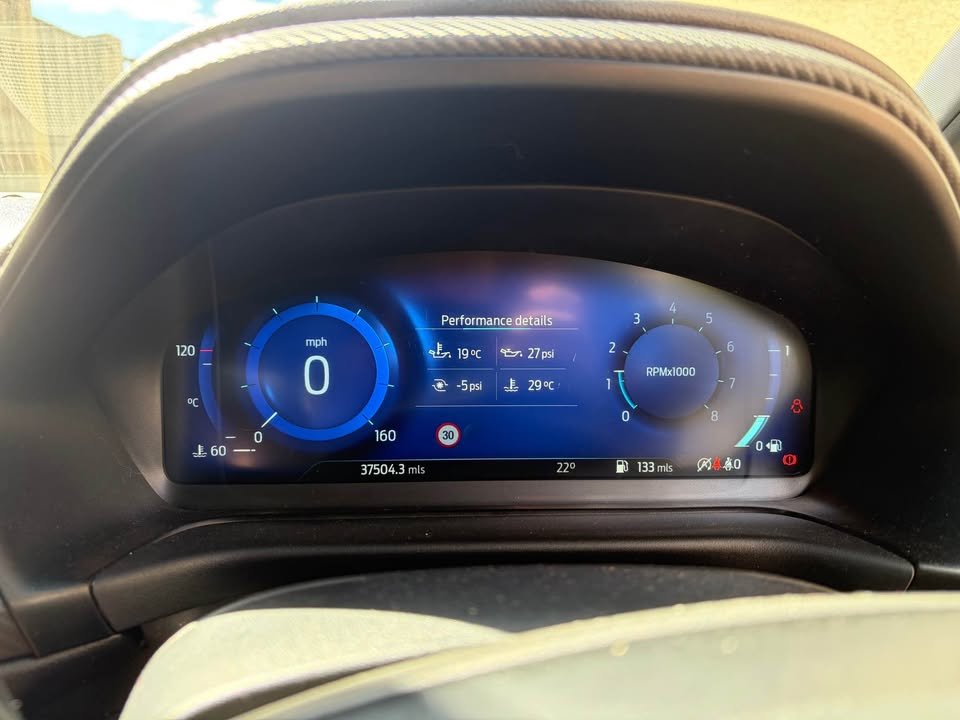
Behind the wheel of our dedicated test car, having 125hp on tap from the 125hp engine in mild-hybrid form delivered genuinely adequate poke. Putting my foot down to merge onto busy dual carriageways, the setup produced dependable real-world performance, dispatching the benchmark sprint from 0-62mph in less than 10 seconds before pulling cleanly toward a brisk top speed of 124mph. Every standard offering throughout the core Fiesta range remains commendably efficient, effortlessly returning more than 50mpg on the stringent official economy test. While this calibrated powertrain keeps daily commuting wonderfully frugal (at least compared to the thirstier, hot-hatch 200hp 1.5-litre motor found in the flagship ST model, whose 200hp output from that muscular 1.5-litre motor clearly prioritises raw pace over low fuel bills), this electrified motor blends accessible speed with disciplined wallet relief on both the standard commute and the official economy test.
Power delivery reaches the front wheels through a versatile transmission portfolio. My specification paired the mild-hybrid system with a dual-clutch seven-speed automatic gearbox, an automatic option that shifts seamlessly around suburban traffic. While some drivers might automatically lean toward this convenient auto configuration, my extensive seat time across various generations confirms that Ford’s gearboxes consistently rank among the crispest in the segment. Consequently, choosing between the rapid two-pedal automatic gearbox and the delightfully engaging, slick manual transmission comes down entirely to personal driver preference rather than any mechanical fault with either gearbox. Whether opting for a purist manual transmission or modern two-pedal ease, the car proves that an accomplished transmission setup complements an already sorted small car.
Ride & Handling
Evaluating how this crossover-inspired trim behaves on twisting B-roads reveals a fascinating chapter in the evolution of the Fiesta breed. When judging fundamental ride and handling, the elevated high-riding hatchback stance inevitably alters the sharp chassis balance synonymous with the core Fiesta line. Raising the ride height above standard Titanium models—and indeed the standard Titanium trim itself—yields a marginally increased amount of ground clearance, yet that modest physical lift introduces a slight compromise to the tuned suspension. Even so, pointing the Fiesta Active down undulating tarmac proves that pure driving enjoyment remains intact; the helm exhibits wonderfully keen steering, the front axle communicates exceptional grip, and the responsive front end bites cleanly into apices. While the taller centre of gravity means the car naturally body rolls when pushed enthusiastically, that inherent body roll remains progressive and well controlled by an agile chassis, demonstrating that its engaging driving dynamics and tenacious road holding still rival lower, purely road-orientated versions.
Living with this setup across rutted rural surfaces paints a realistic picture of everyday cabin compliance. Historically, earlier iterations of this specific Active model carried a noticeably firmer ride than a conventional standard Fiesta, primarily because outright plush comfort was never this agile small car’s focus. In daily operation, the new model occasionally rides awkwardly over broken British asphalt and sharp expansion joints, but the damping stops well short of becoming genuinely jarring or unacceptably uncomfortable. Negotiating pockmarked lanes and severe bumps shows that the dampers effectively round off sudden impacts, preventing surface bumps from upsetting composure and delivering an impressive ride quality for a versatile car of this ilk. It proves that despite elevated underpinnings, the platform’s core dynamic handling and communicative steering haven’t been sacrificed for styling.
Prospective customers drawn to rugged wheel-arch cladding must keep their practical expectations strictly grounded regarding genuine off-road credentials. The elevated shell provides usable daylight underneath, yet navigating mud tracks or slippery ruts immediately reveals that it lacks any permanent all-wheel-drive option or sophisticated electronic off-road assistance systems; it relies entirely on a conventional front-wheel drive layout working alongside its extra ground clearance. For buyers prioritising true low-friction traction over outdoor aesthetics, an authentic all-wheel-drive hatchback like the utilitarian Fiat Panda or the capable Suzuki Swift will tackle unpaved terrain with far greater competence. Nevertheless, for suburban motorists who rarely venture truly off-road, this practical, front-driven hatchback delivers just enough everyday versatility and spirited road dynamics to satisfy lifestyle demands without pretending to be a hardcore mud-plugging car.
Value
Navigating the showroom hierarchy reveals a surprisingly large and multi-faceted Fiesta range, structured around three distinct branches once private customers move past the basic Trend trim. For typical city runabouts, the conventional next step on the ladder remains the family-friendly Titanium, but buyers wanting different aesthetic flavours can easily choose between the tarmac-hugging, sporty ST-Line or the raised, trail-inspired rugged Active. To cater to upmarket tastes, Ford allowed all three branches to be optioned in lavish, luxurious Vignale trims, adding plush leather appointments under the flagship Vignale banner. Meanwhile, driving enthusiasts fixated on pure speed still have the dedicated, go-faster ST model crowning the top of the range, ensuring the broader model range covers everything from basic commuter duties to aggressive hot-hatch performance across its diverse trims and laddered trim levels.
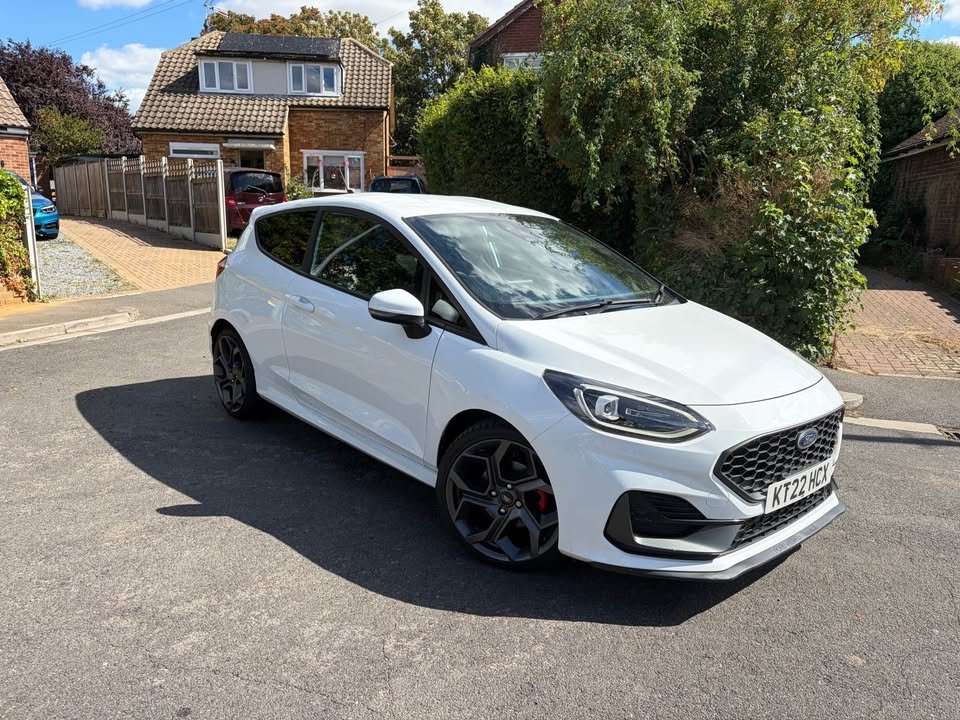
Evaluating current market dynamics highlights an unusual chapter in British automotive pricing, largely because factory bottlenecks and component crunches left the manufacturer with serious trouble building Fiestas. With vehicle assembly constrained, showroom prices became somewhat volatile and unknown, to the point where head office held back on explicitly advertising prices across its customer-facing website. When taking delivery of our loaded Active Vignale-spec test car, tallying the final showroom invoice revealed a hefty cost nudging slightly over £28,000 after adding select factory options and a smooth-shifting automatic gearbox. In this range-topping Active Vignale-spec, that premium equipment list and high-grade spec push the car’s total financial valuation well beyond traditional supermini expectations, turning our metallic orange test car into an eye-opening case study of modern vehicle inflation.
Down at the budget end of the spectrum, entry-level showroom realities remain far more sensible. A stripped-back entry-level Trend model pairing a naturally aspirated basic 1.1-litre engine with an engaging manual transmission comfortably undercuts the upper tiers, keeping its outright retail price comfortably below £20,000 without needing heavy discounts. At an accessible sub-£20,000 price point, this modest Trend trim equipped with the trusty 1.1-litre engine goes toe-to-toe with the foundational Volkswagen Polo, whose own entry specification starts at just under £19,000. Comparing both badges at around that £19,000 baseline shows that against the competent Polo, the base Fiesta balances honest mechanical simplicity and affordable day-to-day running costs, proving that even as crossover trims inflate headline specifications, standard hatchbacks still deliver accessible value for budget-conscious drivers.
Verdict
Spending decades appraising compact city cars teaches you to recognise when a manufacturer chooses refinement over revolution. Glancing at the latest revisions, this iconic nameplate hasn’t changed much on the surface, but taking it through real-world paces confirms that it never really needed an overhaul to retain its charm. The core platform still delivers that trademark, delightfully great handling through tight bends, backed by a spirited chassis where natural mechanical handling always takes precedence over synthetic electronic interventions. Paired with a fleet of remarkably efficient engines, the supermini blends punchy daily performance with exceptional running efficiency, proving that downsizing petrol engines does not have to come at the expense of driver engagement.
Step across the door sills into the cabin, and you will find that smart packaging remains one of this vehicle’s strongest suits. Despite compact exterior boundaries, the passenger compartment offers competitive amounts of interior space, ensuring that front and rear occupants enjoy enough shoulder and leg clearance to travel comfortably without elbowing each other. That usable interior space easily holds its own against rivals in the segment, while generous rear space guarantees that shopping bags and carry-on cases slide in without fuss. These practical packaging fundamentals, combined with crisp dynamics, explain why seasoned road-testers consistently rank this badge among the very best small hatchbacks you can drive on UK asphalt today.
When it comes down to a definitive automotive verdict and prudent purchasing advice, however, caution is warranted regarding which specific model you decide to bring home. The standard editions remain undisputed benchmarks among traditional small hatchbacks, making them an effortless recommendation to buy if you want an agile, dependable everyday car. Yet my honest guidance on the ruggedly styled Active models is to steer clear of that specific crossover line; these lifted trims inevitably cost more to purchase, while providing virtually zero authentic extra capability on loose surfaces. Paying a noticeable premium for faux-SUV plastic trim fails to translate into genuine, all-weather vehicle capability, making the conventional lower-riding hatchbacks in the range the far more sensible investment.